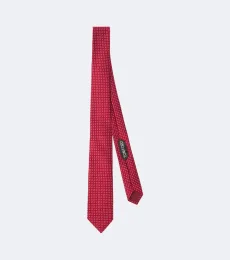
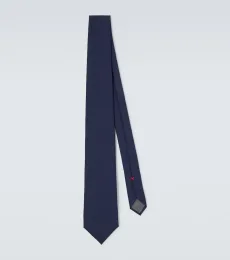
Men's Bow Ties — Small Detail, Serious Style Impact
Bow ties sit in a fascinating spot in men's fashion. They're simultaneously the most formal neckwear you can own (black tie literally requires one) and one of the most playful accessories available — a flash of personality that says you've made a deliberate choice rather than reaching for the default. That duality is what makes them interesting. A man in a bow tie has committed to something, and that commitment, worn well, reads as confidence.
When a Bow Tie Makes Sense
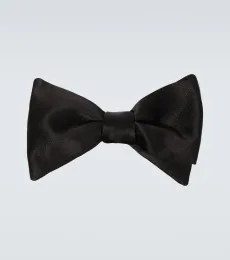
The classic context is black tie — a silk or satin bow tie in black, paired with a dinner jacket. That's non-negotiable at formal events and has been for over a century. But bow ties work well beyond the ballroom. A knitted bow tie with a tweed jacket for an autumn wedding. A patterned silk bow tie with a navy blazer for a smart-casual event. Even a cotton bow tie with a well-fitted Oxford shirt and rolled sleeves for a summer party. The key is matching the bow tie's formality to the occasion, not defaulting to the most conservative option every time. Where bow ties don't work: very casual settings where even a regular
tie would look overdressed. If nobody else in the room is wearing neckwear, a bow tie can read as costume rather than style. Read the room, and when in doubt, keep it in the pocket until you're sure.
Self-Tie vs Pre-Tied — The Eternal Debate
Self-tie bow ties are the purist's choice. They create a slightly imperfect, characterful knot that signals you know what you're doing. The asymmetry is the whole point — it shows the bow tie is real, not a clip-on. Learning to tie one takes about fifteen minutes of practice and a decent YouTube tutorial. Once you've got it, it's muscle memory. Pre-tied bow ties are absolutely fine for most situations, despite what purists might say. They're consistent, quick, and nobody standing more than a foot away can tell the difference. If tying one yourself feels stressful on the night of an event, a pre-tied bow tie is infinitely better than a wonky self-tied mess. The goal is looking good, not passing an authenticity test.
Fabric and Pattern
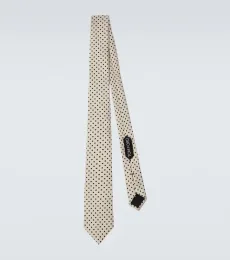
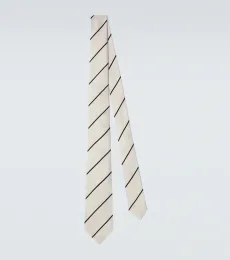
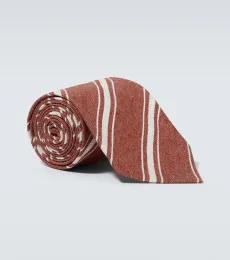
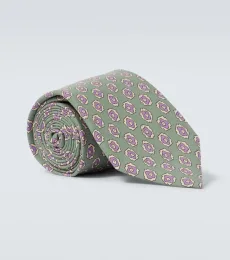
Silk is the default for formal bow ties — it catches light beautifully, holds its shape in the knot, and looks luxurious. Satin (a type of silk weave) is the traditional black-tie choice, with a subtle sheen that matches lapel facings on dinner jackets. For less formal contexts, cotton and linen bow ties feel more relaxed and suit daytime events. Knitted silk or wool bow ties add texture that pairs brilliantly with tweed, flannel, and other textured fabrics. Patterns follow similar rules to regular ties but on a smaller canvas. Solid colours are the safest starting point — navy, burgundy, forest green — and work across the widest range of outfits. Polka dots are a classic bow tie pattern that adds personality without being loud. Stripes, paisley, and plaid all work in moderation, but because the bow tie sits right at your throat and draws the eye, busy patterns amplify quickly. If your shirt has a pattern, keep the bow tie solid, and vice versa.
Getting the Proportions Right
Bow tie width should relate to your face and collar. A standard butterfly bow tie (the classic wider shape) suits most face shapes and collar styles. A batwing or slim bow tie creates a more contemporary, streamlined look that works well with narrow lapels and modern-cut shirts. The bow tie should never extend wider than the outer edges of your collar points — if it does, it's too big for the shirt, and the whole thing looks off. Collar style matters too. A spread or cutaway collar gives the bow tie room to sit comfortably without being obscured. A button-down collar works casually but can crowd a self-tie knot. Point collars are the trickiest — the collar tips can compete visually with the bow tie, so keep the tie on the slimmer side.
Building Outfits Around a Bow Tie
A bow tie should be the accent, not the centrepiece of chaos. Keep the rest of your outfit relatively simple — a well-fitted
shirt, clean
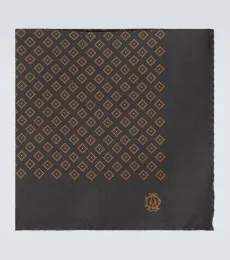
suit or blazer, and minimal other accessories. A pocket square that complements (not matches) the bow tie adds polish. A watch, simple
cufflinks if wearing French cuffs, and you're done. Piling on accessories when you're already wearing a bow tie tips the balance from stylish to theatrical.
Care and Storage
Silk bow ties should be untied after wearing and hung or loosely rolled — never left knotted, as creases set permanently in silk. Steam out wrinkles rather than ironing, since direct heat can damage the fabric's sheen. Cotton and linen can handle a cool iron if needed. Store them flat in a drawer or loosely draped over a hanger — dedicated tie storage boxes are ideal if you're building a collection. Browse
men's accessories for pieces that pair naturally with bow ties, and check
seasonal deals for premium silk options at reduced prices. A well-chosen bow tie collection — even just three or four in different colours and textures — gives you options that a standard tie simply can't replicate.